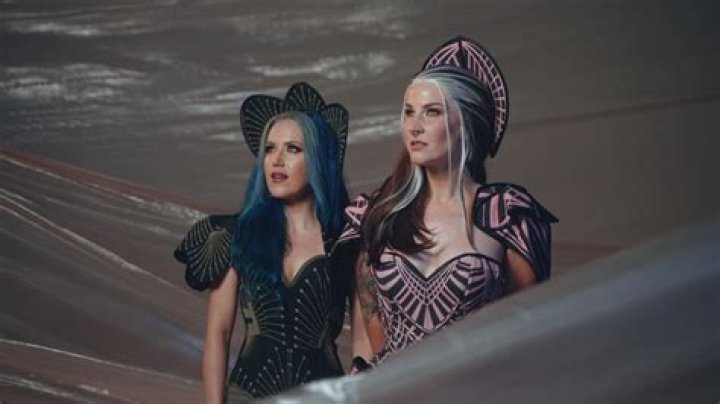
Rengoku is a Japanese word that refers to a state of purgatory or limbo, a transitional realm between life and death. "Black and white" is often used to describe something that is in between two extremes, or that is not clearly defined. Thus, "rengoku black and white" could be interpreted as a state of purgatory that is not clearly defined, or that is in between two extremes.
This concept of rengoku black and white can be found in many different cultures and religions. In Christianity, for example, purgatory is a place where souls go after death to be purified before they can enter heaven. In Buddhism, there is a similar concept of a transitional realm called the bardo, which is a state of existence between death and rebirth.
The idea of rengoku black and white can be a source of comfort for those who are grieving the loss of a loved one. It can also be a reminder that there is more to life than what we can see, and that there is hope for a better future.
rengoku black and white
The concept of "rengoku black and white" can be explored through various dimensions, considering the different parts of speech of the keyword:
- State of being: Purgatory, limbo, in-between
- Colors: Black, white, shades of gray
- Transition: Life and death, past and future
- Ambiguity: Uncertainty, mystery, paradox
- Hope: Possibility of redemption, salvation
- Grief: Loss, mourning, remembrance
- Culture: Christianity, Buddhism, Shinto
- Art: Symbolism, metaphor, expression
- Philosophy: Duality, impermanence, the nature of reality
These key aspects are interconnected and interdependent, forming a complex tapestry of meaning. The state of rengoku black and white is a place of transition and uncertainty, where the boundaries between life and death, good and evil, and past and future become blurred. It is a place of both hope and grief, where the possibility of redemption exists alongside the pain of loss. The colors black and white symbolize the duality of this state, as well as the shades of gray that lie in between. Ultimately, the concept of rengoku black and white invites us to contemplate the nature of reality and our place within it.
State of being
The state of being in purgatory, limbo, or in-between is a central component of the concept of "rengoku black and white." Rengoku is a Japanese word that refers to a state of purgatory or limbo, a transitional realm between life and death. "Black and white" is often used to describe something that is in between two extremes, or that is not clearly defined. Thus, "rengoku black and white" could be interpreted as a state of purgatory that is not clearly defined, or that is in between two extremes.
This state of being is often associated with feelings of uncertainty, ambiguity, and mystery. It is a place where the boundaries between life and death, good and evil, and past and future become blurred. Those who find themselves in this state may feel lost, confused, or unsure of what the future holds.
However, the state of being in purgatory, limbo, or in-between can also be a place of hope and redemption. It is a place where souls can learn from their past mistakes and prepare for the future. Ultimately, the goal of this state is to achieve a state of enlightenment or salvation.
Colors
The colors black, white, and shades of gray play a significant role in the concept of "rengoku black and white." Black and white are often seen as opposites, representing good and evil, light and dark. However, in the context of rengoku black and white, these colors are blended together, creating a sense of ambiguity and uncertainty. The shades of gray represent the in-between state of purgatory, where the boundaries between life and death, good and evil, and past and future become blurred.
In many cultures, black is associated with mourning, death, and the underworld. White is often associated with purity, innocence, and the divine. Shades of gray represent the in-between state, the unknown, and the mysterious. In the context of rengoku black and white, these colors come together to create a sense of uncertainty and ambiguity. Those who find themselves in this state may feel lost, confused, or unsure of what the future holds.
However, the colors black, white, and shades of gray can also be seen as a symbol of hope. Black can represent the darkness that must be overcome, white can represent the light that is waiting on the other side, and shades of gray can represent the journey that must be taken to get there. Ultimately, the goal of rengoku black and white is to achieve a state of enlightenment or salvation, and the colors black, white, and shades of gray represent the path that must be taken to get there.
Transition
The concept of "rengoku black and white" is closely intertwined with the transition between life and death, past and future. Rengoku, a Japanese word referring to a state of purgatory or limbo, represents an in-between realm where the boundaries of life and death become blurred. This liminal space is often depicted as black and white, reflecting the ambiguity and uncertainty that characterize this transitional phase.
- Life and Death:
Rengoku black and white embodies the transition from life to death, a journey through the unknown. Individuals may find themselves in this state after physical death, experiencing a separation of body and soul. This transition can be marked by feelings of disorientation, confusion, and a sense of being caught between two worlds.
- Past and Future:
Rengoku black and white also represents the transition between past and future. Individuals may encounter this state during significant life changes, such as the end of a relationship, the loss of a job, or a major move. These transitions can evoke feelings of nostalgia for the past and uncertainty about the future, creating a sense of being suspended in time.
Through the lens of rengoku black and white, these transitions are not seen as endpoints but rather as opportunities for growth and transformation. By navigating this liminal space, individuals can gain a deeper understanding of themselves, their purpose, and their place in the grand scheme of existence.
Ambiguity
The concept of "rengoku black and white" is deeply connected to ambiguity, uncertainty, mystery, and paradox. Rengoku, a Japanese term referring to a state of purgatory or limbo, represents a realm of existence that is neither fully life nor fully death, creating an inherent sense of ambiguity and uncertainty. This liminal space is often depicted as black and white, reflecting the paradoxical nature of this state.
Within the realm of rengoku black and white, individuals may encounter profound paradoxes and mysteries. They may experience a sense of being both alive and dead, present and absent, connected and disconnected. The boundaries of reality become blurred, and the familiar rules and structures of the physical world no longer apply. This can lead to feelings of disorientation, confusion, and a deep questioning of one's own identity and purpose.
However, the ambiguity and uncertainty of rengoku black and white can also be a catalyst for profound personal growth and transformation. By embracing the unknown and navigating the paradoxes of this liminal space, individuals can gain a deeper understanding of themselves and their place in the universe. They can learn to let go of rigid beliefs and embrace a more fluid and open-minded perspective.
In the context of real-life experiences, the concept of rengoku black and white can be applied to various situations that involve ambiguity, uncertainty, and paradox. For instance, individuals may encounter this state during significant life transitions, such as the end of a relationship, the loss of a loved one, or a major career change. These experiences can evoke feelings of confusion, doubt, and a sense of being in-between.
Understanding the connection between ambiguity and rengoku black and white can provide valuable insights into the nature of reality and the human experience. It reminds us that life is oftenuncertainties and paradoxes, and that embracing these elements can lead to greater resilience, adaptability, and wisdom.
Hope
Within the concept of "rengoku black and white," hope serves as a beacon of light amidst the ambiguity and uncertainty. Rengoku, a Japanese term referring to a state of purgatory or limbo, represents a realm of existence where individuals navigate the transition between life and death or undergo purification before potential salvation. The black and white imagery associated with this state reflects the paradoxical nature of this liminal space, where hope and despair, redemption and suffering, coexist.
Hope, in the context of rengoku black and white, is not merely a wishful desire but an active force that propels individuals forward on their journey. It is the belief in the possibility of redemption, salvation, and ultimate liberation from the cycle of suffering. This hope sustains individuals as they confront their past actions, purify their intentions, and strive towards a higher state of being.
Real-life examples of rengoku black and white can be found in the stories of individuals who have undergone profound transformations. Whether it is overcoming addiction, recovering from trauma, or finding purpose after a major life setback, the journey often involves a passage through a dark night of the soul, a liminal space where hope and despair collide. Yet, it is within this liminal space that the possibility of redemption and salvation emerges.
Understanding the connection between hope and rengoku black and white provides invaluable insights into the human experience. It reminds us that even in the darkest of times, hope can serve as a guiding light, propelling us towards a brighter future. It encourages us to embrace the ambiguity and uncertainty of life's transitions, knowing that within these liminal spaces lies the potential for profound growth and transformation.
Grief
Within the concept of "rengoku black and white," grief, loss, mourning, and remembrance play a significant role in the process of purification and transformation. Rengoku, a Japanese term referring to a state of purgatory or limbo, represents a realm of existence where individuals navigate the transition between life and death or undergo purification before potential salvation. The black and white imagery associated with this state reflects the paradoxical nature of this liminal space, where grief and joy, loss and hope, coexist.
Grief, in the context of rengoku black and white, is not merely a reaction to physical death but encompasses a broader spectrum of losses and emotional experiences. It includes the mourning of lost relationships, unfulfilled dreams, and aspects of oneself that are shed during the transformative journey. Remembrance, in this context, serves as a bridge between the past and present, allowing individuals to honor and integrate their experiences of loss into their ongoing journey.
Real-life examples of rengoku black and white can be found in the experiences of individuals who have endured significant losses and hardships. Whether it is the loss of a loved one, the end of a marriage, or the loss of a job, these experiences often involve a passage through a dark night of the soul, a liminal space where grief and despair are encountered. Yet, it is within this liminal space that the potential for profound growth and transformation emerges.
Culture
The concept of "rengoku black and white" finds resonance in various cultures and religious traditions, including Christianity, Buddhism, and Shinto. Within these cultural contexts, the concept manifests in unique ways, offering diverse perspectives on the nature of purgatory, limbo, and the transition between life and death.
- Christianity
In Christian theology, purgatory is often depicted as a state of purification for souls who have died in a state of grace but still require purification before entering heaven. This concept aligns with the black and white imagery of rengoku, representing the contrast between the darkness of sin and the purity of redemption.
- Buddhism
Within Buddhism, the concept of bardo, or intermediate state, shares similarities with rengoku. Bardo refers to the transitional period between death and rebirth, during which the consciousness of the deceased undergoes a process of purification and preparation for the next life. The black and white imagery of rengoku can be seen as a metaphor for the duality of existence and the cycle of rebirth.
- Shinto
Shinto, the indigenous religion of Japan, also incorporates elements of rengoku black and white in its beliefs and practices. The concept of yomi, or the underworld, is often associated with a realm of darkness and purification. Individuals who have committed misdeeds during their life may undergo a period of purification in yomi before being reborn into the physical world.
By exploring the connection between "Culture: Christianity, Buddhism, Shinto" and "rengoku black and white," we gain a deeper understanding of the diverse cultural and religious perspectives on the afterlife and the process of purification and redemption. These insights shed light on the universality of human experiences and beliefs surrounding death, transition, and the search for meaning and purpose.
Art
Within the realm of artistic expression, symbolism, metaphor, and expression play a pivotal role in conveying the complexities of "rengoku black and white." Artists throughout history have employed these techniques to explore the liminal space between life and death, the interplay of light and darkness, and the human experience of grief, hope, and transformation.
- Symbolism
Symbolism is a powerful tool for expressing abstract concepts and emotions in visual form. In the context of rengoku black and white, artists may use symbolic imagery to represent the duality of existence, the contrast between purity and sin, or the journey of purification and redemption. For instance, the color black could symbolize the darkness of purgatory, while white could represent the hope of salvation.
- Metaphor
Metaphor allows artists to create deeper connections between seemingly disparate elements. In the realm of rengoku black and white, metaphors can be employed to convey the transformative nature of the purgatorial journey. For example, an artist might depict a chrysalis as a metaphor for the soul's transformation from darkness into light.
- Expression
Artistic expression provides a platform for individuals to convey their personal experiences and emotions surrounding rengoku black and white. Through painting, sculpture, music, and other forms of art, artists can share their unique perspectives on the nature of purgatory, grief, and hope. These expressions can resonate with others who haved similar experiences, fostering a sense of shared understanding and catharsis.
By exploring the connection between "Art: Symbolism, metaphor, expression" and "rengoku black and white," we gain insights into the diverse ways in which art can illuminate the complexities of human existence. These artistic expressions not only provide a means of personal exploration and catharsis but also contribute to a collective understanding of the human condition.
Philosophy
The concept of "rengoku black and white" resonates deeply with philosophical inquiries into duality, impermanence, and the nature of reality. These philosophical perspectives provide a framework for understanding the liminal space of purgatory, the interplay of opposites, and the transformative journey towards enlightenment or salvation.
- Duality
Rengoku black and white embodies the concept of duality, representing the coexistence of contrasting forces or states. In the context of purgatory, this duality manifests as the tension between suffering and purification, darkness and light. This philosophical perspective highlights the paradoxical nature of existence, where opposing elements are interconnected and interdependent.
- Impermanence
The concept of impermanence underscores the transient nature of all phenomena. Rengoku black and white captures this idea through its depiction of purgatory as a temporary state of transition. Individuals within this liminal space are not permanently condemned or saved but rather undergo a process of purification and transformation before moving on to the next stage of their journey.
- The Nature of Reality
Rengoku black and white challenges conventional notions of reality by presenting a realm that exists beyond the boundaries of the physical world. This philosophical inquiry delves into the nature of consciousness, the existence of multiple planes of existence, and the possibility of realms beyond our current perception.
By exploring the connection between "Philosophy: Duality, impermanence, the nature of reality" and "rengoku black and white," we gain a deeper understanding of the philosophical underpinnings of this concept. These philosophical perspectives provide a framework for interpreting the symbolism, metaphors, and transformative experiences associated with rengoku black and white, enriching our comprehension of its multifaceted nature.
FAQs on "Rengoku Black and White"
This section provides concise answers to frequently asked questions about the concept of "rengoku black and white," offering a deeper understanding of its significance and implications.
Question 1: What is the literal meaning of "rengoku black and white"?
Rengoku is a Japanese term that refers to a state of purgatory or limbo, a transitional realm between life and death. "Black and white" is often used to describe something that is in between two extremes, or that is not clearly defined. Thus, "rengoku black and white" could be interpreted as a state of purgatory that is not clearly defined, or that is in between two extremes.
Question 2: What is the significance of the colors black and white in this context?
Black and white are often seen as opposites, representing good and evil, light and dark. However, in the context of rengoku black and white, these colors are blended together, creating a sense of ambiguity and uncertainty. The shades of gray represent the in-between state of purgatory, where the boundaries between life and death, good and evil, and past and future become blurred.
Question 3: What is the role of hope in rengoku black and white?
Hope serves as a beacon of light amidst the ambiguity and uncertainty of rengoku black and white. It is the belief in the possibility of redemption, salvation, and ultimate liberation from the cycle of suffering. This hope sustains individuals as they confront their past actions, purify their intentions, and strive towards a higher state of being.
Question 4: How does rengoku black and white relate to the concept of impermanence?
Rengoku black and white captures the transient nature of all phenomena. It depicts purgatory as a temporary state of transition, where individuals undergo a process of purification and transformation before moving on to the next stage of their journey. This concept challenges conventional notions of reality and encourages contemplation on the nature of existence and the impermanence of all things.
Question 5: What is the connection between rengoku black and white and the concept of duality?
Rengoku black and white embodies the concept of duality, representing the coexistence of contrasting forces or states. In the context of purgatory, this duality manifests as the tension between suffering and purification, darkness and light. This philosophical perspective highlights the paradoxical nature of existence, where opposing elements are interconnected and interdependent.
Question 6: How can the concept of rengoku black and white be applied to real-life situations?
The concept of rengoku black and white can be applied to various situations that involve ambiguity, uncertainty, and paradox. For instance, individuals may encounter this state during significant life transitions, such as the end of a relationship, the loss of a loved one, or a major career change. By understanding the nature of rengoku black and white, individuals can navigate these liminal spaces with greater resilience, adaptability, and wisdom.
Summary: The concept of "rengoku black and white" offers a multifaceted perspective on the nature of purgatory, the interplay of opposites, and the transformative journey towards enlightenment or salvation. It challenges conventional notions of reality, emphasizes the importance of hope in the face of uncertainty, and encourages contemplation on the nature of existence and the impermanence of all things.
Transition: This concludes the FAQ section on "rengoku black and white." The discussion has shed light on the key aspects of this concept, providing a deeper understanding of its implications and applications.
Tips Inspired by "Rengoku Black and White"
The concept of "rengoku black and white" offers valuable insights that can guide us through the complexities of life. Here are five tips inspired by this concept:
Tip 1: Embrace Ambiguity
Life is often uncertain and filled with paradoxes. Instead of seeking absolute clarity, learn to navigate the gray areas and embrace the unknown.
Tip 2: Seek Meaning in Transition
Periods of transition, whether physical, emotional, or spiritual, can be challenging. Remember that these liminal spaces offer opportunities for growth and transformation.
Tip 3: Cultivate Hope Amidst Darkness
Even in the darkest of times, maintain a flicker of hope. It can sustain you on your journey and guide you toward a brighter future.
Tip 4: Accept Impermanence
All things in life are transient. Embrace the impermanence of your experiences, both positive and negative, and live each moment fully.
Tip 5: Recognize the Duality of Existence
Life presents a constant interplay of opposites. Embrace the paradoxical nature of existence and seek balance amidst the tensions.
Summary: By incorporating these tips inspired by "rengoku black and white" into your life, you can cultivate greater resilience, adaptability, and a deeper understanding of the human experience.
Transition: These tips serve as a reminder that even in the face of uncertainty, ambiguity, and paradox, we have the power to navigate life's journey with purpose and grace.
Conclusion
Throughout this exploration of "rengoku black and white," we have delved into the multifaceted nature of purgatory, the interplay of opposites, and the transformative journey toward enlightenment or salvation. This concept challenges conventional notions of reality and invites us to contemplate the deeper meanings of existence.
As we navigate the complexities of life, may the insights gleaned from "rengoku black and white" serve as a guiding light. By embracing ambiguity, seeking meaning in transition, cultivating hope amidst darkness, accepting impermanence, and recognizing the duality of existence, we can cultivate greater resilience, adaptability, and a profound understanding of our place in the universe.
Uncover The Secrets Of BBQ Pit Hitches: The Ultimate Guide To Safe Towing
Unlocking Recovery Secrets: When Can I Resume Sweeping After A Hysterectomy?
Unleash The World: Explore Diverse Cultures And Live Events With Cam Monster Com