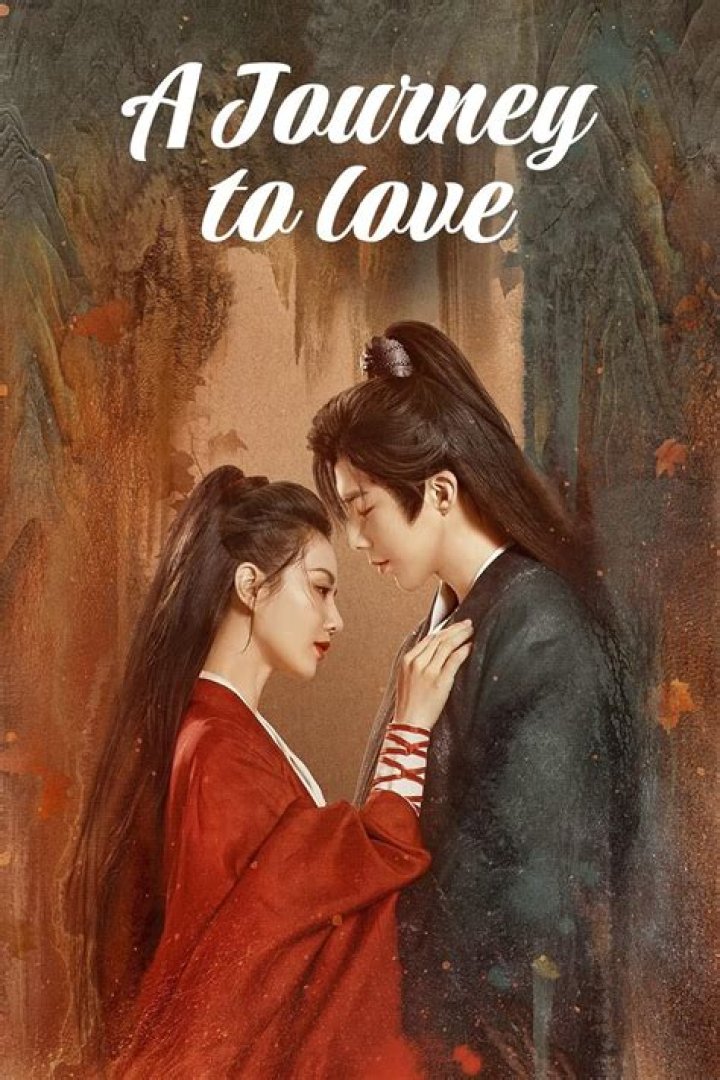
Shinki art gura is a style of Japanese painting that emerged in the 18th century. It depicts beautiful women in elegant poses, often surrounded by flowers and other natural elements. The paintings are typically characterized by their bright colors and delicate brushwork.
Shinki art gura was popular among the wealthy and elite during the Edo period. It was often used to decorate homes and temples. The paintings were also collected by Westerners, who were fascinated by the exotic beauty of the style. Today, shinki art gura is still highly prized by collectors and can be found in museums around the world.
Shinki art gura is a significant part of Japanese art history. It represents a unique blend of traditional Japanese aesthetics and Western influences. The paintings are beautiful and sophisticated, and they offer a glimpse into the culture and society of Japan during the Edo period.
Shinki Art Gura
Shinki art gura is a style of Japanese painting that emerged in the 18th century. It is known for its beautiful women, elegant poses, and bright colors. Shinki art gura is a significant part of Japanese art history and is still highly prized by collectors today.
- Women: Shinki art gura typically depicts beautiful women in elegant poses.
- Nature: The paintings often include flowers and other natural elements.
- Colors: Shinki art gura is characterized by its bright colors.
- Edo period: The style emerged in the 18th century during the Edo period.
- Wealthy: Shinki art gura was popular among the wealthy and elite.
- Homes: The paintings were often used to decorate homes and temples.
- Westerners: Shinki art gura was also collected by Westerners.
- Japanese art history: Shinki art gura is a significant part of Japanese art history.
- Unique: It represents a unique blend of traditional Japanese aesthetics and Western influences.
- Beauty: The paintings are beautiful and sophisticated.
Shinki art gura offers a glimpse into the culture and society of Japan during the Edo period. The paintings are a testament to the skill and artistry of Japanese painters. They are also a reminder of the importance of beauty and nature in Japanese culture.
Women
Women are central to shinki art gura. The paintings depict beautiful women in elegant poses, often surrounded by flowers and other natural elements. The women are typically idealized, with perfect features and flawless skin. They are often shown engaged in activities such as playing musical instruments, dancing, or writing poetry.
The depiction of women in shinki art gura reflects the values of the Edo period. During this time, women were expected to be beautiful, graceful, and accomplished. They were also expected to be subservient to men. The women in shinki art gura embody these ideals. They are beautiful, elegant, and accomplished. However, they are also often shown in submissive poses, such as kneeling or looking down.
The connection between women and shinki art gura is essential to understanding the style. The paintings depict the ideal woman of the Edo period. They also reflect the social and cultural values of the time. Shinki art gura is a valuable source of information about the lives of women in Japan during the Edo period.
Nature
Nature plays a significant role in shinki art gura. The paintings often include flowers, trees, birds, and other natural elements. These elements help to create a sense of balance and harmony in the paintings. They also add a sense of beauty and elegance.
The use of nature in shinki art gura is also symbolic. Flowers, for example, are often used to represent beauty, purity, and fertility. Trees represent strength and longevity. Birds represent freedom and happiness. By including these elements in their paintings, shinki artists were able to convey a variety of messages and emotions.
The connection between nature and shinki art gura is essential to understanding the style. Nature provides the backdrop for the paintings and helps to create a sense of balance and harmony. It also adds a sense of beauty and elegance. The use of nature in shinki art gura is also symbolic, allowing artists to convey a variety of messages and emotions.
Colors
Shinki art gura is a style of Japanese painting known for its beautiful women, elegant poses, and bright colors. The colors in shinki art gura are not only aesthetically pleasing but also play an important role in conveying meaning and emotion.
- Symbolism: Colors in shinki art gura often have symbolic meanings. For example, red is often used to represent passion and love, while blue is used to represent peace and tranquility. By using colors symbolically, artists could convey complex messages and emotions without using words.
- Contrast: Shinki artists often used contrasting colors to create a sense of balance and harmony in their paintings. For example, they might use a bright red kimono against a dark blue background. This contrast would help to draw the viewer's eye to the kimono and make the figure stand out.
- Emotion: Colors can also be used to convey emotion in shinki art gura. For example, a painting with bright, cheerful colors might convey a sense of joy and happiness, while a painting with dark, somber colors might convey a sense of sadness or melancholy.
- Seasons: The colors in shinki art gura can also be used to represent the seasons. For example, a painting with cherry blossoms might represent spring, while a painting with maple leaves might represent autumn.
The use of color in shinki art gura is essential to understanding the style. Colors play an important role in conveying meaning, emotion, and symbolism. By understanding the use of color, viewers can gain a deeper appreciation for shinki art gura.
Edo period
Shinki art gura emerged during the Edo period, a time of relative peace and prosperity in Japan. This period saw a flourishing of arts and culture, and shinki art gura was one of the many art forms that emerged during this time.
- Economic prosperity: The economic prosperity of the Edo period led to a rise in the demand for art. This demand helped to support the development of new and innovative art forms, including shinki art gura.
- Cultural exchange: The Edo period also saw a significant increase in cultural exchange between Japan and the West. This exchange influenced the development of shinki art gura, as artists began to incorporate Western elements into their work.
- New techniques: The Edo period also saw the development of new artistic techniques. These techniques, such as the use of perspective and shading, helped to create a more realistic and sophisticated style of painting.
- Urbanization: The Edo period also saw a significant increase in urbanization. This led to a concentration of artists in urban centers, which helped to foster the development of new art forms, including shinki art gura.
The Edo period was a time of great change and innovation in Japan. This period saw the flourishing of many new art forms, including shinki art gura. Shinki art gura is a unique and beautiful art form that reflects the social, economic, and cultural changes that were taking place in Japan during the Edo period.
Wealthy
Shinki art gura was popular among the wealthy and elite during the Edo period. This is because shinki art gura was seen as a luxurious and sophisticated art form. The paintings were often commissioned by wealthy patrons, who would display them in their homes or temples. Shinki art gura was also collected by Westerners, who were fascinated by the exotic beauty of the style.
- Patronage: wealthy patrons played a significant role in the development of shinki art gura. They commissioned paintings from artists and provided them with financial support. This patronage helped to create a market for shinki art gura and allowed artists to develop their skills.
- Display: wealthy patrons often displayed shinki art gura in their homes or temples. This helped to raise the status of the art form and made it more popular among the elite.
- Collection: shinki art gura was also collected by Westerners, who were fascinated by the exotic beauty of the style. This helped to spread the popularity of shinki art gura around the world.
The connection between shinki art gura and the wealthy and elite is significant. It shows that shinki art gura was seen as a luxurious and sophisticated art form. It also shows that wealthy patrons played a significant role in the development of the style.
Homes
The connection between shinki art gura and homes is significant. Shinki art gura paintings were often used to decorate the homes of the wealthy and elite during the Edo period. This is because shinki art gura was seen as a luxurious and sophisticated art form. The paintings added a sense of beauty and elegance to homes and were often used to impress guests.
- Display: Shinki art gura paintings were often displayed in the best rooms of the house, such as the guest room or the reception room. This showed that the owner of the house was wealthy and sophisticated.
- Status: Owning a shinki art gura painting was a status symbol. It showed that the owner had good taste and was able to afford expensive art.
- Investment: Shinki art gura paintings were also seen as a good investment. The paintings were often passed down from generation to generation and increased in value over time.
The connection between shinki art gura and homes is significant. Shinki art gura paintings were an important part of the home dcor of the wealthy and elite during the Edo period. The paintings added a sense of beauty and elegance to homes and were also seen as a status symbol and a good investment.
Westerners
The connection between "Westerners: Shinki art gura was also collected by Westerners." and "shinki art gura" is significant. It shows that shinki art gura was not only popular in Japan but also in the West. This is likely due to the exotic beauty and unique style of shinki art gura, which appealed to Western collectors.
- Exposure: Westerners were first exposed to shinki art gura through trade with Japan. Dutch and Portuguese traders brought shinki art gura paintings to Europe, where they were met with great interest.
- Collections: Many Western collectors began to acquire shinki art gura paintings. These paintings were often displayed in museums and private collections. Some of the most famous collections of shinki art gura are housed in the British Museum, the Metropolitan Museum of Art, and the Muse Guimet.
- Influence: Shinki art gura also had a significant influence on Western art. The style's use of bright colors and elegant lines influenced the development of Impressionism and other Western art movements.
The connection between shinki art gura and Westerners is significant. It shows that shinki art gura is a truly international art form. The style has been appreciated by people from all over the world, and it continues to be collected and admired today.
Japanese art history
Shinki art gura is a significant part of Japanese art history because it represents a unique blend of traditional Japanese aesthetics and Western influences. The style emerged during the Edo period (1603-1868), when Japan was experiencing a period of relative peace and prosperity. This led to a flourishing of arts and culture, and shinki art gura was one of the many art forms that emerged during this time.
Shinki art gura is characterized by its beautiful women, elegant poses, and bright colors. The paintings often depict women in traditional Japanese dress, surrounded by flowers and other natural elements. The style is also influenced by Western art, particularly in its use of perspective and shading. This blend of East and West makes shinki art gura a unique and important part of Japanese art history.
Shinki art gura has been praised by critics for its beauty and elegance. The paintings are also valuable historical documents, as they provide a glimpse into the lives of women in Japan during the Edo period. Today, shinki art gura is still collected and admired by people all over the world.
Unique
Shinki art gura is unique because it represents a blend of traditional Japanese aesthetics and Western influences. It is characterized by its beautiful women, elegant poses, and bright colors. The paintings often depict women in traditional Japanese dress, surrounded by flowers and other natural elements. The style is also influenced by Western art, particularly in its use of perspective and shading.
- East meets West: Shinki art gura is a fusion of Eastern and Western art. It combines the delicate brushwork and subtle colors of traditional Japanese painting with the more realistic and three-dimensional style of Western art.
- Cultural exchange: Shinki art gura emerged during a period of increased cultural exchange between Japan and the West. Japanese artists were exposed to Western art through trade and travel, and they began to incorporate Western elements into their own work.
- New perspectives: The introduction of Western art techniques gave Japanese artists new ways to express themselves. They began to use perspective and shading to create a more realistic and immersive experience for the viewer.
- Unique style: The combination of traditional Japanese aesthetics and Western influences resulted in a unique and distinctive style of painting. Shinki art gura is unlike any other style of art, and it continues to be admired and collected by people all over the world.
The unique blend of traditional Japanese aesthetics and Western influences is what makes shinki art gura so special. It is a style of painting that is both beautiful and sophisticated, and it reflects the cultural exchange and artistic innovation that took place during the Edo period.
Beauty
Shinki art gura is renowned for its beauty and sophistication. The paintings are characterized by their vibrant colors, delicate brushwork, and elegant compositions. They often depict women in traditional Japanese dress, surrounded by flowers and other natural elements.
- Composition: Shinki art gura paintings are carefully composed to create a sense of balance and harmony. The artist often uses contrasting colors and textures to create a dynamic and visually appealing image.
- Brushwork: The brushwork in shinki art gura paintings is delicate and precise. The artist uses a variety of brushstrokes to create a sense of depth and movement.
- Color: The colors in shinki art gura paintings are vibrant and saturated. The artist often uses contrasting colors to create a sense of drama and excitement.
- Subject matter: The subject matter of shinki art gura paintings is often beautiful women in traditional Japanese dress. The artist often depicts women in elegant poses, surrounded by flowers and other natural elements.
The combination of these elements creates a style of painting that is both beautiful and sophisticated. Shinki art gura paintings are a testament to the skill and artistry of Japanese painters.
FAQs on Shinki Art Gura
Shinki art gura, a style of Japanese painting that originated in the 18th century, is renowned for its beautiful women, elegant poses, and vibrant colors.
Question 1: What are some of the key characteristics of shinki art gura paintings?
Shinki art gura paintings are known for their delicate brushwork, vibrant colors, and elegant compositions. They often depict women in traditional Japanese dress, surrounded by flowers and other natural elements.
Question 2: What is the historical significance of shinki art gura?
Shinki art gura emerged during the Edo period (1603-1868), a time of peace and prosperity in Japan. The style reflects the cultural exchange and artistic innovation that took place during this period, as Japanese artists incorporated Western influences into their work.
Question 3: Why are shinki art gura paintings so valuable?
Shinki art gura paintings are valuable for several reasons. They are beautiful and sophisticated works of art that demonstrate the skill and artistry of Japanese painters. They are also historically significant, as they provide a glimpse into the lives of women in Japan during the Edo period.
Question 4: Where can I see shinki art gura paintings?
Shinki art gura paintings can be found in museums and galleries around the world. Some of the most famous collections are housed in the British Museum, the Metropolitan Museum of Art, and the Muse Guimet.
Question 5: How can I tell if a shinki art gura painting is authentic?
Authentic shinki art gura paintings are typically signed by the artist and dated. They are also painted on high-quality paper or silk.
Question 6: How can I care for a shinki art gura painting?
Shinki art gura paintings should be stored in a cool, dry place away from direct sunlight. They should also be framed under glass to protect them from dust and dirt.
Tips for Viewing and Collecting Shinki Art Gura
Shinki art gura is a beautiful and sophisticated style of Japanese painting. Here are a few tips for viewing and collecting shinki art gura:
Tip 1: Do your research. Learn about the history of shinki art gura, the different artists who worked in the style, and the techniques they used. This will help you to appreciate the paintings more fully.
Tip 2: Look for quality. Shinki art gura paintings should be executed with great skill and attention to detail. Look for paintings with vibrant colors, delicate brushwork, and elegant compositions.
Tip 3: Consider the subject matter. Shinki art gura paintings often depict women in traditional Japanese dress, surrounded by flowers and other natural elements. Consider the symbolism of the subject matter when choosing a painting to collect.
Tip 4: Get it authenticated. If you are considering purchasing a shinki art gura painting, it is important to have it authenticated by an expert. This will ensure that the painting is genuine and that you are paying a fair price.
Tip 5: Take care of your painting. Shinki art gura paintings are delicate and should be handled with care. Store them in a cool, dry place away from direct sunlight. You should also frame them under glass to protect them from dust and dirt.
By following these tips, you can enjoy the beauty and sophistication of shinki art gura for many years to come.
Conclusion
Shinki art gura is a significant part of Japanese art history. It represents a unique blend of traditional Japanese aesthetics and Western influences. The paintings are beautiful and sophisticated, and they offer a glimpse into the lives of women in Japan during the Edo period.
Today, shinki art gura is still collected and admired by people all over the world. The paintings are a testament to the skill and artistry of Japanese painters, and they continue to inspire new generations of artists.
Uncover Hidden Truths: "U Ain't Built For These Streets Cuh"
Discover The Ultimate Guide To Satisfying Hamburger Potato Crock Pot Recipes
Carrot Tanning Cream: Uncover The Secrets To A Sun-Kissed Glow